

The timing of placing the prosthetic tooth after dental implants depends on the process of the implant integrating with the jawbone. After the implant is placed, a healthy fusion between the bone and the implant is expected. This process usually takes several months and may vary from person to person. Once the integration is complete, impressions are taken and the prosthetic tooth is prepared.
In some special cases, temporary prostheses can be applied at an earlier stage. The most appropriate timing is determined through the dentist’s examinations. A prosthetic tooth placed at the right time successfully completes the function and aesthetic appearance of the implant.
Dental veneers are treatment methods applied to improve the aesthetic appearance and function of teeth. Veneers placed on teeth with decay, fractures, discoloration, or shape irregularities protect the tooth against external factors. They also help achieve a more even, whiter, and more natural smile.
Veneers are specially prepared according to the measurements of the tooth and fixed onto the tooth surface. After the procedure, the teeth become more durable while chewing and speaking functions are also supported. With proper care, dental veneers can be used healthily for many years.
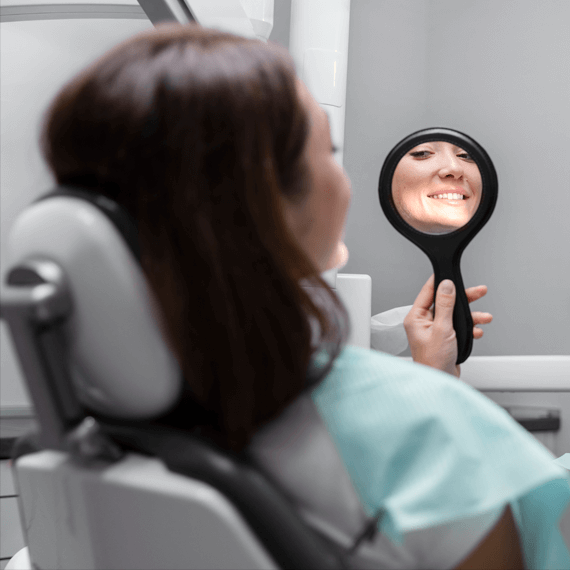
Dental veneers are applied when both aesthetic and functional problems occur in the teeth. Veneers may be preferred for teeth that have lost substance due to decay when fillings do not provide sufficient results. Broken, cracked, or worn teeth can be strengthened with veneers.
They are also applied for aesthetic purposes in teeth that are discolored and cannot achieve the desired result with whitening treatments. Shape irregularities and misalignments between teeth can be corrected with veneers. It is also common to use veneers to protect teeth that have become weakened after root canal treatment. Suitability is determined after a clinical evaluation.
Free Consultation Free ConsultationClinical planning before dental veneers is a critical step for a successful and long-lasting treatment. First, a detailed examination is carried out by the dentist and the condition of the teeth is evaluated. Tooth decay, fractures, discoloration, and gum health are carefully reviewed.
X-rays and measurements are used to analyze the structure of the teeth and jaw. The type of veneer is determined by considering the patient’s aesthetic expectations and functional needs. During the planning stage, the shape, size, and color of the teeth are designed individually. This ensures that both aesthetic and functional results are successfully achieved during the procedure.
Free Consultation Free Consultation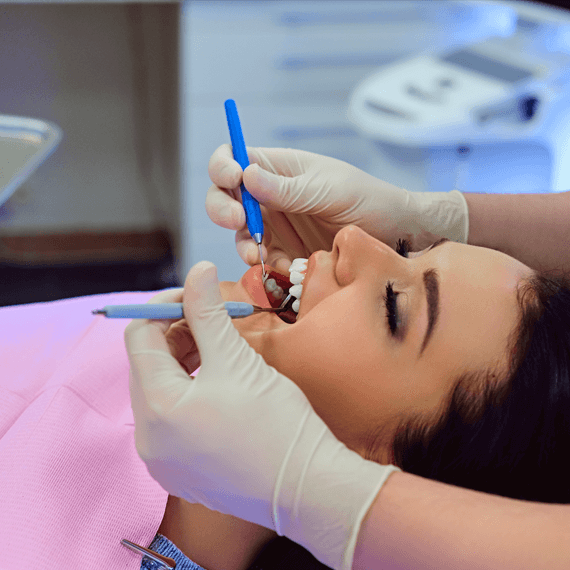
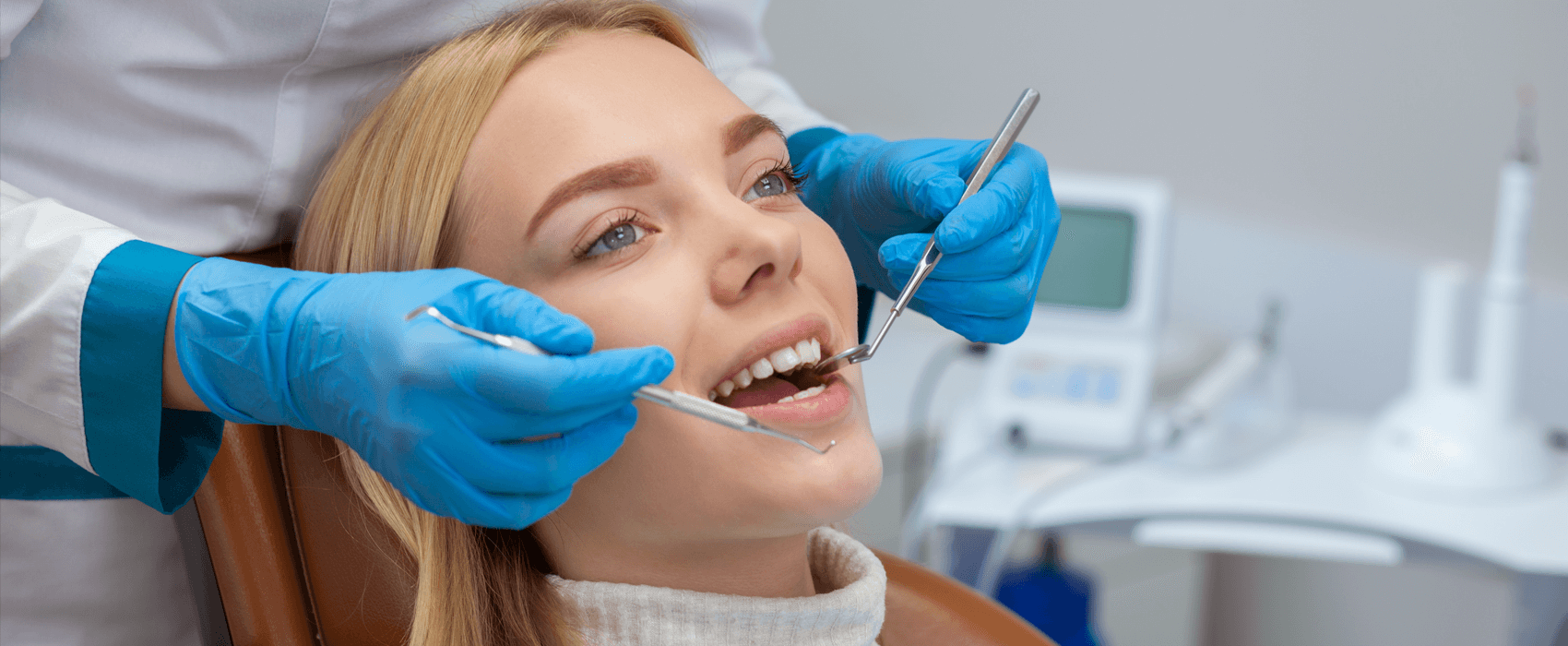
The stages of dental veneer application are carried out with careful planning and precision. First, the dentist takes impressions of the teeth to prepare for the veneers. If necessary, a small amount of material is removed from the tooth surface. Then the impressions are sent to the laboratory to prepare custom-made veneers.
Temporary veneers may be applied to maintain the patient’s function and aesthetics. The prepared veneer is then placed on the tooth, and its fit and compatibility are checked. In the final stage, it is permanently fixed to the tooth and small adjustments are made if necessary. With this method, the teeth are both aesthetically improved and functionally strengthened.
Materials used in dental veneers offer different options in terms of aesthetics and durability. The right material choice is determined according to the position of the tooth, functional needs, and aesthetic expectations. The main material options include:
Each material has different advantages and areas of use.
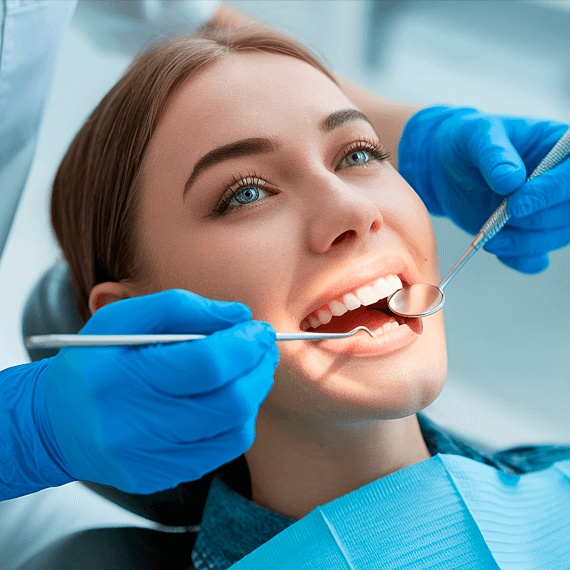
Dental veneers are an effective method for solving aesthetic and functional problems in teeth. Teeth with decay, fractures, discoloration, or shape irregularities are strengthened with veneers and gain a natural appearance. With veneers, the chewing function of the teeth improves, while speaking and biting comfort increase.
In addition, smile aesthetics improve significantly, and the teeth achieve a whiter and more symmetrical appearance. With the right material selection and professional application, veneers provide long-lasting use. With regular care and check-ups, veneers maintain their effectiveness both aesthetically and functionally.
Free Consultation Free ConsultationGum compatibility in dental veneers is very important for both aesthetics and oral health. Before the veneer procedure, gum health is examined and any inflammation is treated. The edges of the veneer are prepared to match the gum line and are designed to contact the gum without creating excessive pressure.
During the impression and fitting stages, gum compatibility is carefully evaluated. After the procedure, appropriate care recommendations for the gums are provided. Proper compatibility helps prevent gum recession and irritation, ensures a natural appearance of the veneer, and contributes to maintaining healthy oral tissues for long-term use.
Free Consultation Free Consultation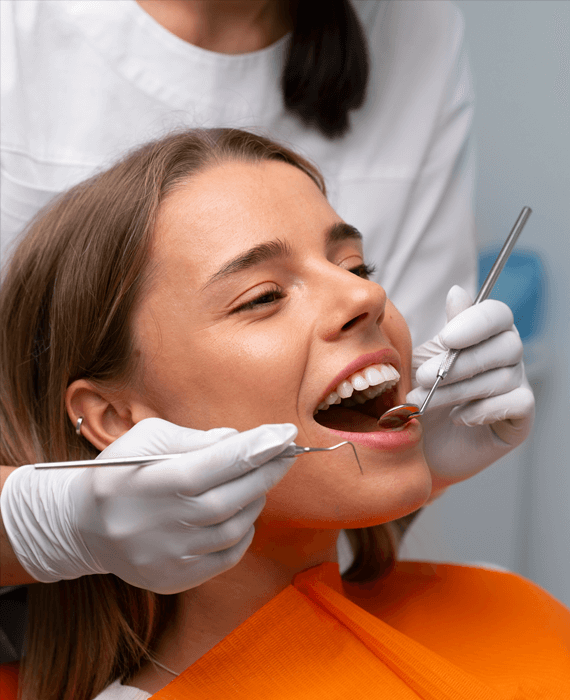

The lifespan of dental veneers varies depending on the material used, the quality of the application, and oral care habits. Porcelain and zirconia veneers generally last between 10–15 years and, in some cases, up to 20 years. Metal-supported porcelain veneers are especially long-lasting for back teeth.
Factors affecting the lifespan of veneers include biting hard foods directly, teeth grinding, and inadequate oral hygiene. Regular dental check-ups and proper care habits help maintain veneers both aesthetically and functionally for a long time. If necessary, veneers can be replaced.
Dental veneers can be applied in different types depending on aesthetic and functional needs. The main types of veneers include:
Each type of veneer is selected according to the patient’s needs and tooth structure.
Zirconia and porcelain veneers offer different characteristics in terms of aesthetics and durability. Porcelain veneers best mimic the natural appearance of teeth and are especially preferred for aesthetic purposes on front teeth. However, they are not as resistant to fractures as zirconia.
Zirconia veneers, on the other hand, have high strength and can withstand strong chewing forces, making them suitable for back teeth and long-term use. In addition, since they do not contain metal, the risk of allergic reactions is low and they reflect the natural color of the teeth. The choice depends on the tooth position, chewing pressure, and aesthetic expectations. With proper care, both types of veneers can be used for many years.
Color matching in dental veneers is very important for achieving a natural and aesthetic smile. The color selection is made using special shade guides and measuring devices used by the dentist. The patient’s existing tooth color, skin tone, and the appearance of the teeth under different lighting conditions are evaluated.
Ensuring that the veneer matches the natural teeth provides aesthetic harmony for both front and back teeth. In some cases, small shade adjustments are made through communication with the dental laboratory. The correct color selection allows the veneer to look natural and unnoticeable while preserving smile aesthetics for a long time.
Achieving comfortable chewing after dental veneers is possible with proper planning and application. Veneers help restore the natural structure and alignment of the teeth, supporting normal biting and chewing functions. During the preparation, impression-taking, and fitting stages, the height of the tooth and contact points are carefully adjusted.
This ensures that the veneer fits harmoniously with the tooth and prevents discomfort. Regular oral care and dental check-ups help maintain the health and durability of the veneers for a long time. With the right material selection and professional application, veneers provide both aesthetic improvement and a comfortable chewing experience.

Seyitnizam, Mevlana Cd. No:65, 34015 Zeytinburnu/İstanbul