


A tooth filling is a procedure in which decayed or damaged tooth tissue is cleaned and restored using special filling materials. At Serenta Dental Clinic, fillings are planned to match the natural structure and color of the tooth. Before the procedure, the decayed tissue is carefully removed, and then the appropriate filling material is used to restore the tooth to its original form.
Fillings help maintain the function and aesthetic appearance of the tooth. They also prevent pain, sensitivity, and the risk of further decay. With regular check-ups and proper oral care, dental fillings can remain healthy and functional for a long time.
A tooth filling is a treatment method used to repair decayed, broken, or worn teeth. At Serenta Dental Clinic, the tooth filling procedure is planned to preserve the healthy tooth structure. First, the damaged tissue is cleaned and the tooth is prepared for the filling. Then, composite or similar filling materials are used to restore the tooth’s natural form.
This procedure restores the tooth’s function and improves its aesthetic appearance. Tooth fillings help reduce pain and sensitivity and prevent further decay. With regular oral care and check-ups, fillings can be used for a long time without issues.

Tooth fillings are applied when there is a need to repair damage to the tooth structure. The most common reason is cavities that have progressed and damaged the tooth. In addition, fillings are preferred for broken, cracked, or worn teeth. Old and worn-out fillings can also be replaced with new fillings when necessary.
Moreover, if sensitivity occurs to hot, cold, or sweet foods, the underlying problem can be addressed with a filling. Tooth fillings help maintain the function and aesthetic appearance of the tooth and prevent the need for more advanced treatments. A filling done at the right time is important for the long-term health of your teeth and oral cavity.
Free Consultation Free ConsultationClinical assessment before a tooth filling is crucial to ensure that the treatment is accurate and long-lasting. First, the dentist listens to the patient's complaints and conducts an intraoral examination. If necessary, X-rays are taken to evaluate the depth of decay and proximity to the tooth root.
Gum health, existing fillings, and the overall condition of the tooth are checked. This assessment helps determine the most suitable type of filling and treatment method. Proper planning increases comfort during the procedure and ensures the durability of the filling. Clinical assessment forms the foundation of a successful tooth filling treatment.
Free Consultation Free Consultation

The steps of a tooth filling procedure ensure that the treatment is effective and comfortable. The procedure generally includes the following steps:
These steps ensure that the tooth is restored both functionally and aesthetically.
Cavity treatment with a tooth filling is performed to stop the progression of decay and to preserve the health of the tooth. At Serenta Dental Clinic, cavity treatment begins by cleaning the damaged tooth tissue. Once the decayed area is completely removed, the tooth is restored using a filling material suitable for its natural structure.
This procedure restores the chewing function of the tooth and preserves its aesthetic appearance. Tooth fillings help reduce pain and sensitivity while preventing the cavity from progressing to more extensive treatments. With regular check-ups and proper oral care, fillings can remain healthy and functional for a long time.
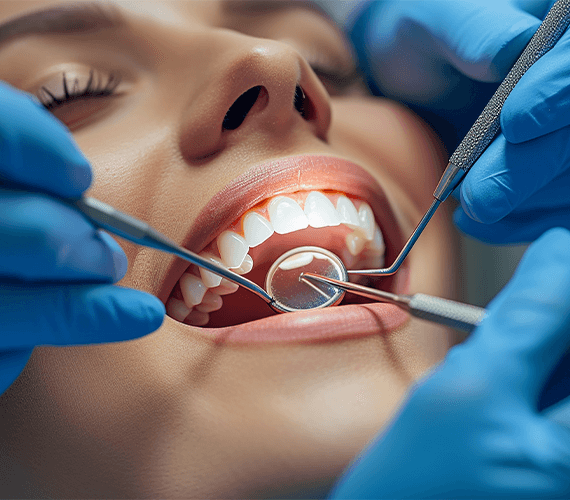
Types of tooth filling materials vary depending on the location of the tooth, aesthetic expectations, and durability requirements. The most commonly used filling type is composite; it matches the tooth color and is preferred for aesthetic reasons. Amalgam fillings, due to their durable structure, can be used for a long time on molars.
Glass ionomer fillings release fluoride, reducing the risk of decay and are especially preferred for children. Porcelain fillings are prepared in a laboratory and offer high aesthetics. The choice of filling material is determined by the dentist's assessment and the patient's needs.
Free Consultation Free ConsultationThe durability and lifespan of a tooth filling depend on the type of material used, the location of the filled tooth, and the individual’s oral hygiene habits. Composite fillings offer aesthetic advantages but require regular care. Amalgam fillings, on the other hand, can last for many years.
Frequent consumption of hard foods or habits such as teeth grinding can shorten the lifespan of a filling. Regular dental check-ups allow early detection of cracks or wear in fillings. With proper oral hygiene, including brushing and flossing, fillings can remain healthy for a long time and maintain the tooth’s function.
Free Consultation Free Consultation

The duration of a tooth filling procedure can vary depending on the size of the cavity, the location of the tooth, and the type of filling used. Generally, a filling for a single tooth takes between 30 and 60 minutes. At Serenta Dental Clinic, a detailed examination is performed before the procedure, and local anesthesia is applied if necessary to ensure patient comfort.
This time includes cleaning the decayed tissue, applying the filling material, and shaping the tooth. For deep or extensive cavities, the procedure may take slightly longer. With professional application, the tooth filling is completed safely and effectively in a short time.
Experiencing pain after a tooth filling is a temporary condition that can occur in some cases. Sensitivity may develop, especially after fillings in deep cavities or areas close to the nerve. This pain usually decreases within a few days. Sensitivity to hot, cold, or pressure is considered normal.
Pain relievers and desensitizing toothpastes recommended by the dentist can help make this period more comfortable. If the pain persists for a long time or worsens, the filling should be checked by the dentist. With proper application and regular care, post-filling pain usually resolves quickly.
Chewing comfortably with a filled tooth is generally possible, and this is one of the main goals of the treatment. The filling procedure restores the lost structure of the tooth and brings back its chewing function. Mild sensitivity or pressure discomfort may be felt in the first few days, which is temporary.
The proper height of the filling directly affects comfort while chewing. Regular oral care and dental check-ups help maintain the adaptation of the filling. After correct application, the filled tooth functions like a natural tooth, and daily eating can be continued comfortably.
Tooth fillings can wear down over time or, in rare cases, come loose. This depends on the type of filling material used, the location of the tooth, and the person’s chewing habits. Frequent consumption of hard foods, teeth grinding, or clenching can shorten the lifespan of the filling. Inadequate oral hygiene can also cause leakage and wear at the edges of the filling.
Regular dental check-ups allow early detection of potential issues with fillings. With proper care and appropriate use, tooth fillings can last for many years without problems. In case of wear or loosening, replacing the filling is important for maintaining dental health.
The time to start eating after a tooth filling depends on the type of filling used and the anesthesia applied. If local anesthesia was administered, it is recommended not to eat until the numbness wears off. Composite fillings usually harden on the same day, so after the anesthesia effect subsides, soft and mild foods can be consumed.
In the first hours, it is advisable to avoid very hot, very cold, and hard foods. For some types of fillings, such as amalgam, full hardening may take longer. Following the dietary recommendations given by the dentist helps the filling adapt properly and remain healthy.

Seyitnizam, Mevlana Cd. No:65, 34015 Zeytinburnu/İstanbul